Kitchener Stitch Tutorial

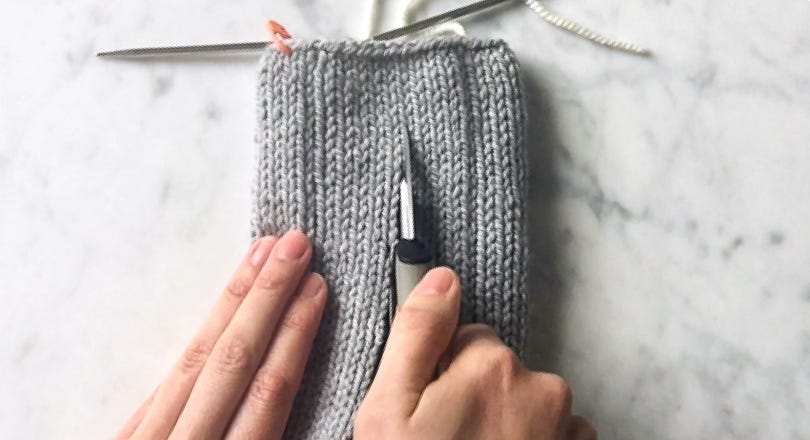
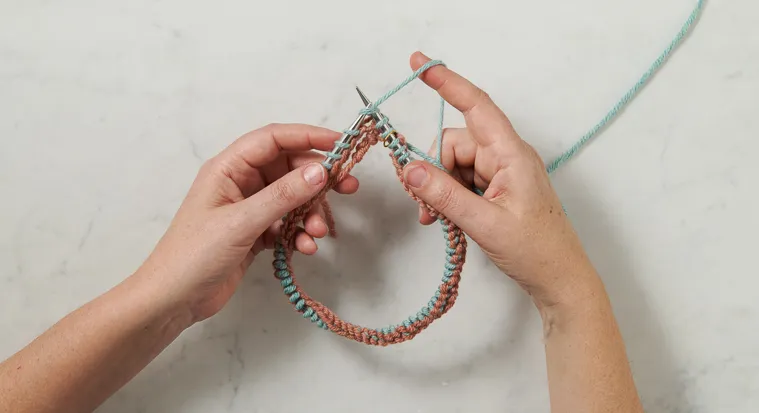
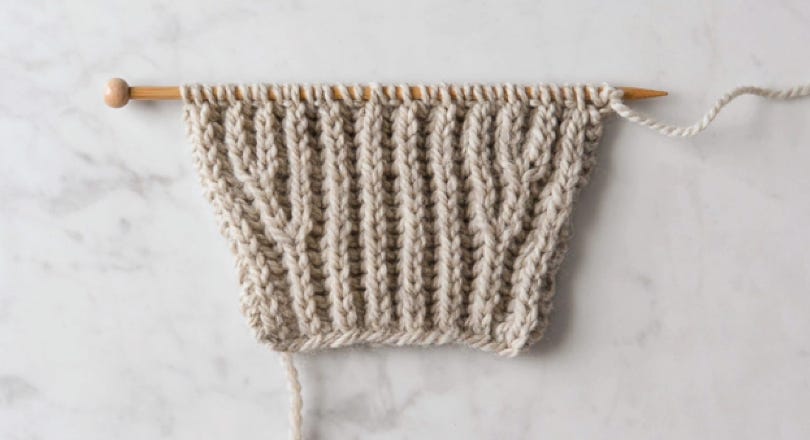
Kitchner stitch is a technique for invisibly weaving together live stitches. The photo above shows Kitchner stitch worked in contrasting yarn so that you can see what it does. Knitters tend to shy away from learning this stitch because it seems complicated when all written out, but it's actually very simple to do; the only real challenge is keeping track of where you are in the steps.

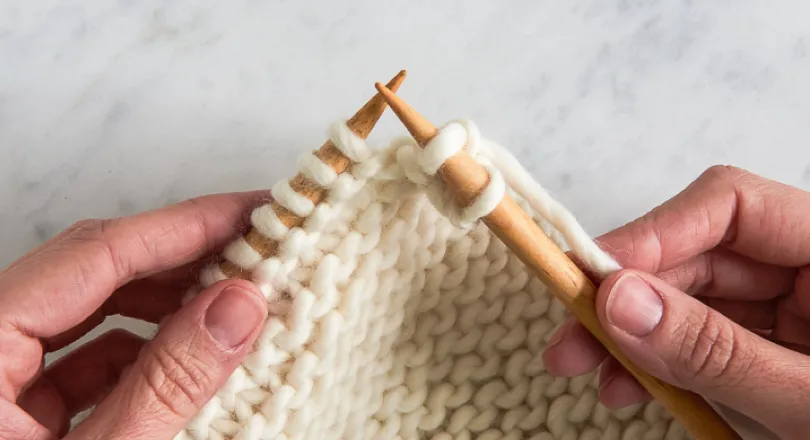
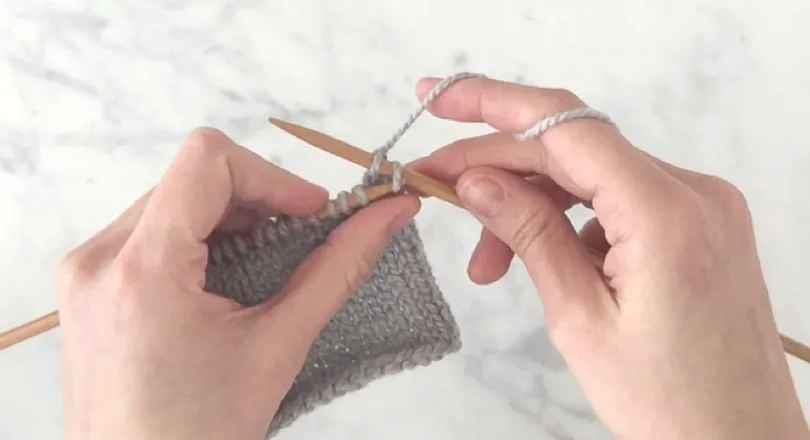
Step 1: Thread a tapestry needle with the same yarn you used to work your project. Hold the needles with the live stitches parallel in your left hand. Insert the tapestry needle through the first stitch on the front needle as if to PURL. Pull the yarn through, leaving a tail that you will weave in later. Leave the stitch on the front needle.

Step 2: Insert the tapestry needle through the first stitch on the back needle as if to KNIT, pull the yarn through, leaving the stitch on the back needle.

Step 3: Insert the tapestry needle through the first stitch on the front needle as if to KNIT, pull the yarn through, removing the stitch from the front needle.

Step 4: Insert the tapestry needle through the first stitch on the front needle as if to PURL, pull the yarn through, leaving the stitch on the front needle.

Step 5: Insert the tapestry needle through the first stitch on the back needle as if to PURL, pull the yarn through, removing the stitch on the back needle.
Step 6: Insert the tapestry needle through the first stitch on the back needle as if to KNIT, pull the yarn through, leaving the stitch on the back needle.
Repeat Step 3 - Step 6 until all stitches have been worked. Every few stitches, adjust the tension of your work, making sure not to pull too tightly. Remember, you are making an extra row of knitting rather than sewing together a seam.


January 23, 2008
Reader Comments (26)
I just want to add two little pieces of information:
1. This will add a row of stitches to your finished object (this is something not always immediately apparent to beginners).
2. This method will give you an invisible stockinette stitch _not_ garter stitch.
:)
It sounds like you have the needles properly arranged. I suspect the trouble is in identifying the first and last stitches of the I-cord. They can be somewhat obscure because of the way an I-cord folds around, making for a tricky initiation into the world of kitchener stitch.
I might advise you to practice the kitchener with two pieces of normal flat knitting. Just knit up two quick stockinette swatches, don't bind them off and try grafting them together. The confidence and experience you get from that practice may be all you need to tackle the I-cord!
Good luck!
Whitney
I do have a question - I threaded on yarn that was about 5X the width of the scarf and still ran out before I reached the other side. Is there a handy ratio/way to tell how much yarn you will need for wider projects?
I do have a question though; what if your project is ribbed? I'm working on a sweater and I'm supposed to work the kitchener stitch over a 1x1 ribbed neckline. Any tips? Better yet; any pictures?
Thanks again!
Given that the stitch is described as being invisible, I'm guessing this is incorrect. Any suggestions?
Thanks for the great pictures and instructions.
You are indeed grafting with the working yarn. Thanks for your question!
Someone should be answering your question this week. It can take a few days because of the volume of knitting questions we get.
Thank you for your patience!
Molly
The Kitchener Stitch requires two sets of "live" stitches. Since it sounds like you did a regular cast on, you only have one set of live stitches (provided you haven't bound off yet). In other words, it's too late for the Kitchener Stitch! In the future, if you know you're going to want to graft two ends of a scarf together, you should consider beginning with a Provisional Cast On (here's our tutorial: http://www.purlbee.com/provisional-cast-on-tutorial/).
So, what to do with what you have? I would bind off and cut the tail quite long (2-3 feet). Then thread the tail onto a tapestry needle and use it to sew the two ends together. How you do that depends on your stitch pattern. For example, if you knit a 1 x 1 rib, the Finishing section of our Baby Bloomers pattern shows you how to neatly sew the two sides together: http://www.purlbee.com/baby-bloomers/ . You can also surmise from those instructions how to sew together stockinette or garter stitch.
Please let me know if you have any more questions! Thanks you for these and good luck!
Whitney
No problem! We're happy to answer every question you have until you get it right!
It sounds like the next step for you will be our Weaving in Ends Tutorial (http://www.purlbee.com/weaving-in-ends-tutorial/2011/7/14/weaving-in-your-ends.html). You actually hardly ever tie a knot in knitting. Instead, you sew your ends into the finished piece as invisibly as possible. Believe it or not, this is neater and more secure than knots!
Please let us know if you're still stuck... really!
Whitney
THANK YOU!
did I miss something or can you help me out?