Whit's Knits: Toadstool Baby Rattle

These baby rattles tap into our love of mushrooms. Maybe you spend weekends traipsing through the woods turning over rotten logs in search of rare fungi; or you have fond memories of childhood lore where toadstool domiciles sheltered whole families of woodland creatures; or you just really enjoy a good mushroom omelet. As hobby, folkloric tradition, or food, mushrooms fascinate. A unique gift, these baby rattles will definitely elicit a smile!
Materials
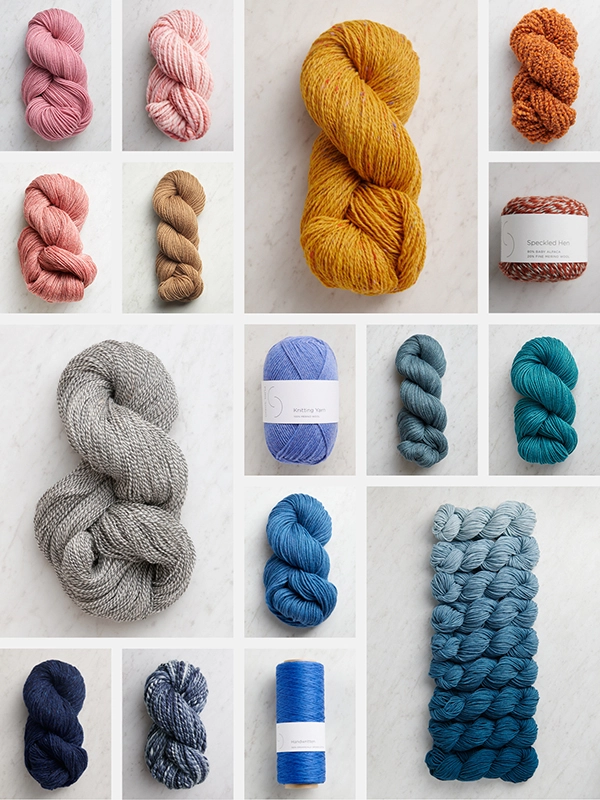
- Several colors of Koigu Premium Merino. An entire skein is enough to make at least one whole rattle, but if you want a multi-colored rattle you'll need small amounts of a few colors.
- A set of US #2 double pointed needles
- Stuffing
- A cat toy with a bell inside about 1 1/2 inches in diameter. This design is commonly found at pet stores, drug stores and supermarkets.

The Pattern
Gauge
8 stitches = 1 inch in stockinette stitch
Finished Size
About 3 inches in diameter and 4 1/2 inches high
The Cap
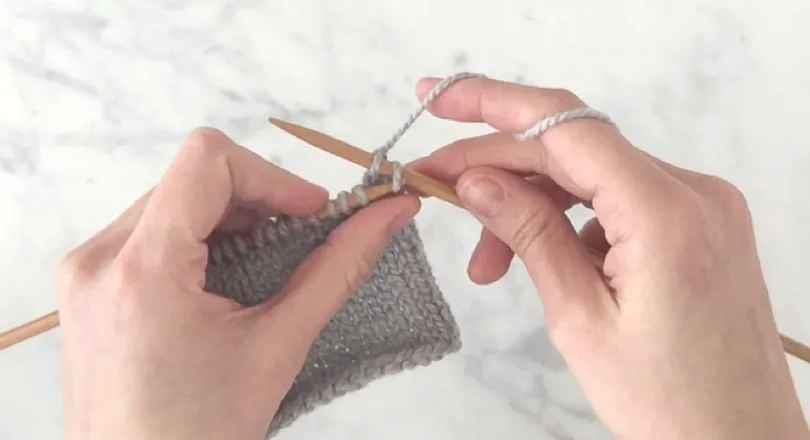
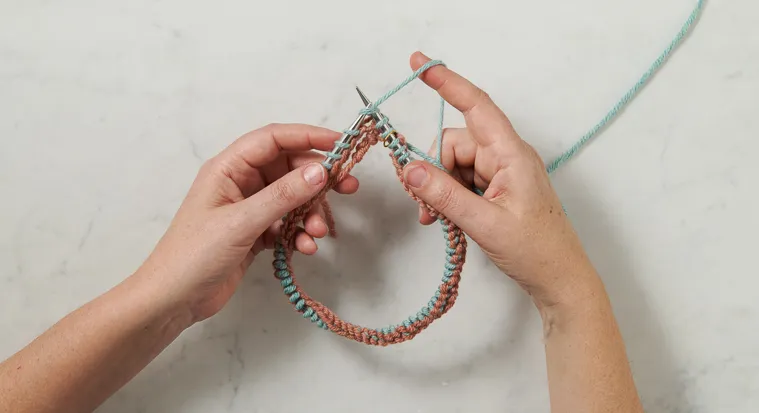
Cast 72 stitches onto 3 double pointed needles. (You may want to visit our Double Pointed Needles Tutorial if this is your first time using them.)
Join for working in the round, being careful to not twist the stitches.
Knit 5 rounds.
Next round: *K7, k2tog, repeat from * to end of round. (64 stitches)
Knit 14 rounds.
Next round: *K2, k2tog, repeat from * to end of round. (48 stitches)
Knit 7 rounds.
Next round: *K1, k2tog, repeat from * to end of round. (32 stitches)
Knit 1 round.
Next round: *k2tog, repeat from * to end of round. (16 stitches)
Cut the tail and thread it through the remaining stitches.

The Gills
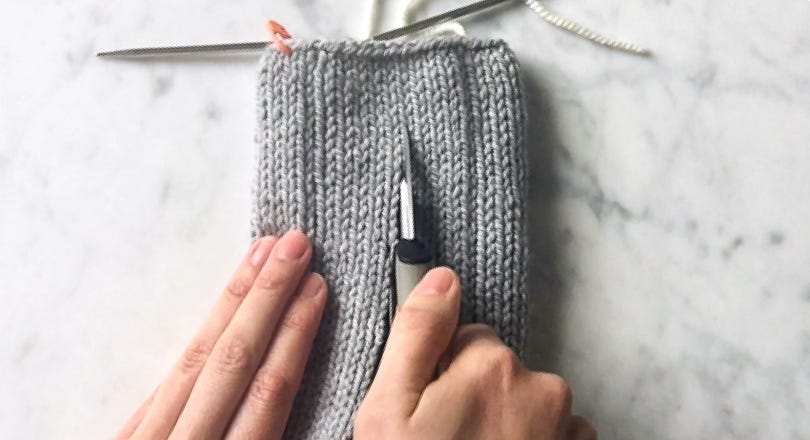
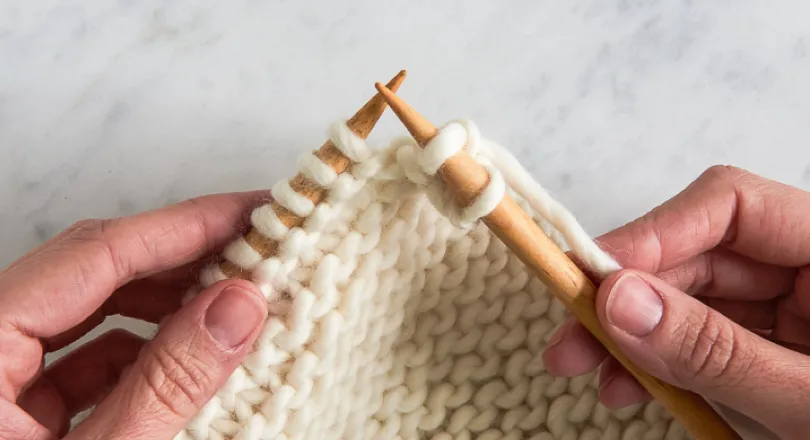
With the wrong side of the cap facing you and using a new color if you want, pick up and knit a round of 64 purl bumps from the inside of the cap. Try to pick up the round right above the first decrease round.

If you find it tricky to pick up adjacent stitches, try first threading a contrasting yarn through the round of purl bumps that you are going to pick up. (Remove the waste yarn as you pick up the purl bumps.)

Repeat the last round 4 more times.
Now is a good time to weave in all the ends, and to generously fill the cap with stuffing, nestling the cat toy in the center of the cap.

Next round: *K2tog, p2tog, repeat from * to end of round. (32 stitches)
Next round: *K1, p1, repeat from * to end of round.
Repeat the last round 2 more times.
Cut the tail, if you plan to change colors.

The Stem
Changing colors if you want,
Round 1: Knit.
Bring the two tails to the outside of the work so that you'll be able to later weave them in.
Round 2: Purl.
Repeat the last two rounds 2 more times.
Knit 12 rounds.

Increase Round: *K4, make 1, repeat from * to end of round. (40 stitches)
Knit 2 rounds.
Repeat Increase Round. (50 stitches)
Knit 3 rounds.
Next round: *K3, k2tog, repeat from * to end of round. (40 stitches)
Purl 1 round.
Knit 2 rounds.
Next round: *K2, k2tog, repeat from * to end of round. (30 stitches)
Knit 1 round.
Fill the stem with stuffing.

Next round: *K1, k2tog, repeat from * to end of round. (20 stitches)
Knit 1 round.
Next round: *K2tog, repeat from * to end of round. (10 stitches)
Cut the tail and thread it through the remaining stitches.

Decorating Ideas
Stripes
Stripes are an easy way to add lots of visual interest to your toadstool. I striped the cap, but a striped stem would look cute too. So would more than two colors.The stripe pattern for this cap is:
12 rounds with Color A
8 rounds with Color B
5 rounds with A
3 rounds with B
2 rounds with A
1 round with B

Dots


To start a new dot, bring the needle under the knitting to the next starting point.

Architectural Detail

These are just a few possibilities. Have fun coming up with others!


July 25, 2008
Reader Comments (27)
Thanks in advance,
Stacy
Any yarn will work, but try to find one with a similar gauge, otherwise they will turn out to be a different size.
You are most welcome to post a link to our story on your blog. Thanks for your interest!
How do we wash them?
It's a great idea for a present !
Thanks a lot for sharing this idea.
It sounds like you're knitting inside out. This happens occasionally when knitters start doing projects in the round. When you are knitting in the round you should be working on the outside of the work rather than the inside... it's sort of hard to explain the difference so we recommend that you check out the circular knitting video tutorials at knitting help.com. Here is a link to their page of circular techniques:
http://www.knittinghelp.com/videos/advanced-techniques
Hope this helps!